


This is like my 2nd order of this magic cream let me tell you. It is thee BEST out here...hands down!!!

Words Matter and So Do Discounts

Leave Us A Review and Unlock 15% Off Your Next Order
Words Matter and So Do Discounts
Leave Us A Review and Unlock 15% Off Your Next Order
Words Matter and So Do Discounts
Leave Us A Review and Unlock 15% Off Your Next Order
Words Matter and So Do Discounts
Leave Us A Review and Unlock 15% Off Your Next Order
Words Matter and So Do Discounts
Leave Us A Review and Unlock 15% Off Your Next Order
Words Matter and So Do Discounts
Leave Us A Review and Unlock 15% Off Your Next Order
Words Matter and So Do Discounts
Leave Us A Review and Unlock 15% Off Your Next Order
Words Matter and So Do Discounts
Leave Us A Review and Unlock 15% Off Your Next Order
Words Matter and So Do Discounts
Leave Us A Review and Unlock 15% Off Your Next Order
Words Matter and So Do Discounts
Leave Us A Review and Unlock 15% Off Your Next Order
Words Matter and So Do Discounts
Leave Us A Review and Unlock 15% Off Your Next Order
Words Matter and So Do Discounts
Leave Us A Review and Unlock 15% Off Your Next Order
Words Matter and So Do Discounts
Leave Us A Review and Unlock 15% Off Your Next Order
Words Matter and So Do Discounts
Leave Us A Review and Unlock 15% Off Your Next Order
Words Matter and So Do Discounts
Leave Us A Review and Unlock 15% Off Your Next Order
Words Matter and So Do Discounts
Leave Us A Review and Unlock 15% Off Your Next Order
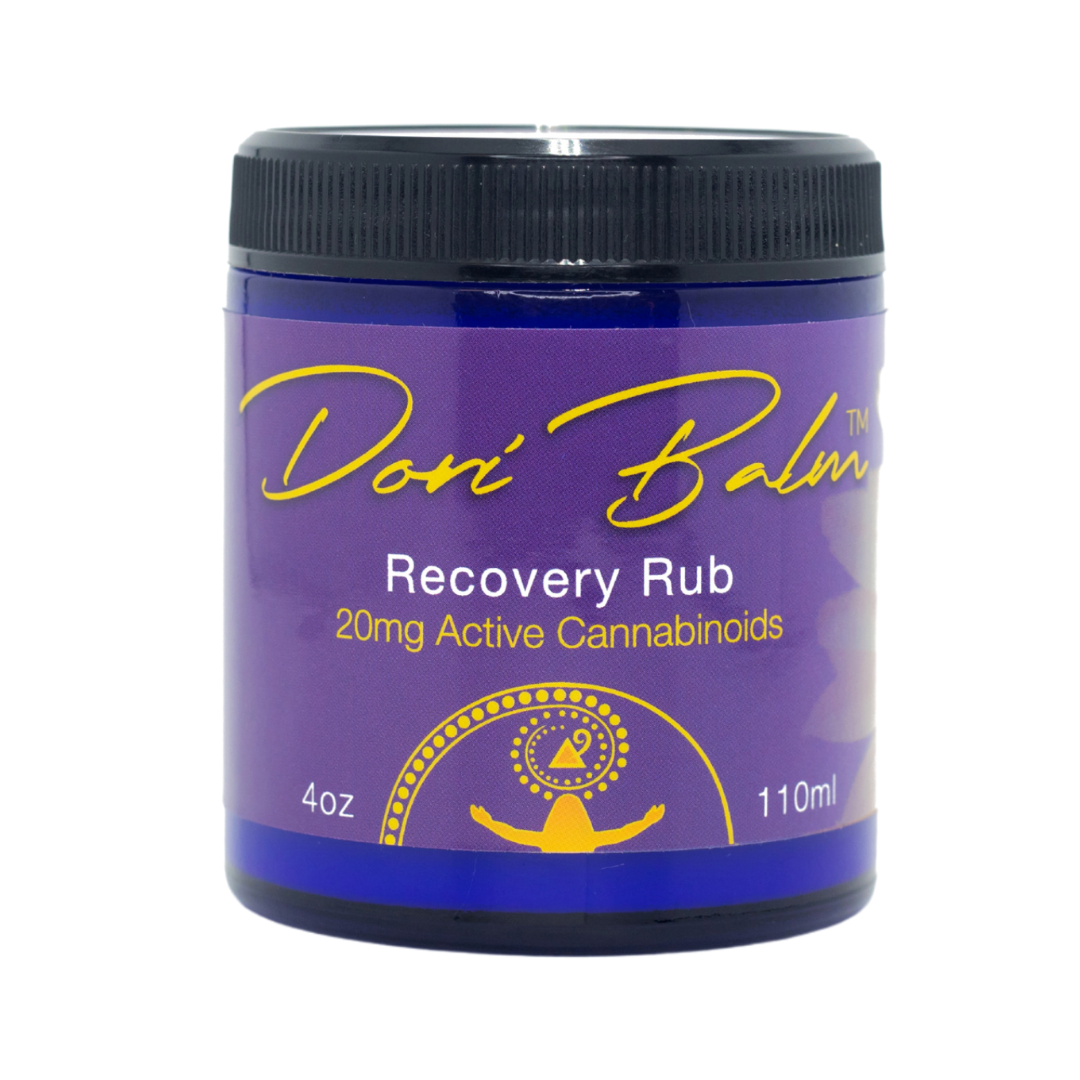
All About Alchemy
Dori Balm Recovery Rub is the wisdom of nature in a jar — a deeply concentrated, terpene-rich balm that people have been reaching for and loving since 2000. Blended with full-spectrum hemp RSO oil and a harmonious mix of medicinal herbs including Karite (Shea Butter), Arnica, Lavender, Hypericum, and Tea Tree Oil, every ingredient was thoughtfully chosen for its nourishing, therapeutic power.
Whether you're an athlete pushing hard, managing chronic muscle soreness and discomfort, or simply navigating the aches that life brings — Dori Balm is your portal to feeling better. It's deeply emollient, naturally calming, and effective for anywhere that's achy or irritated. No toxic byproducts. No negative side effects. Just pure, authentic alchemy working with your body to bring ease, relief, and peace.
One jar. Many needs. Unbelievably positive results.


Apply to affected areas and massage for 30–60 seconds to warm the balm and activate botanicals. Use before movement, breathwork or bodywork. Reapply as needed. Avoid contact with eyes or broken skin.
Overall rating: 5.0 / 5 from 30 reviews.
This is like my 2nd order of this magic cream let me tell you. It is thee BEST out here...hands down!!!

I am a somatic healer and bodyworker for 25 years. I have seen every kind of ailment and pain people tend to have. I use DOri Balm and offer my clients an opportunity to Purchase it for their wellness and pain relief. Dori Balm is often the o Lu topical that helps with intense pun from overuse injuries, post surgical pain, arthritic conditions, pain from spinal conditions, psychosomatic pain patterns and overall injury. My entire family uses it as a murmur purpose run that’s in our medical first aide kit. A must have on your medicine shelf!!
This rub is truly a great pain reducer and helps to relieve stress that is associated with pain. I will buy this always because of how well it works, even my hubby loves it for his arthritis. Believe me, it works and is all natural, thats the best part.
Love it!! Great for muscle pain & scar care. I've used it for both with amazing results!
Good stuff, it really helps with my joint pain. I really should buy in bulk no lie!
I have used Dori Balm since Dori first started making it many moons ago. I worked construction for 36 years and it has helped me manage my chronic pain and migraines when nothing else has, with no side effects except relief! I constantly recommend this to everyone because IT WORKS and it’s natural. Dori is one of a kind who cares for everyone and their health, mind/body/soul. She is a gem like her balm! Give it a try!
This balm smells great and always eases those little aches and pains. I keep the travel size on me when I need a little aromatherapy. The large jar lasts a long time too.
Maybe add a little cushioned wrap around the jars to keep them from breaking. 2 of mine arrived in pretty rough shape. Love the balm itself though
<3
Great product and easy ordering
I’ve had arthritis for about a year now. I’ve been using Dori Balm for 6 months and I went from feeling pain to no pain. I use it in the morning and before I go to bed. It’s the best and my doctor says it’s the best thing I could do for my arthritis. This is a great product!
Been using dori balm since 2015 I used to get it from the dispensaries but for the last three or four years nobody carried it anymore I suffer from psoriatic arthritis rough patchy skin and this really helps with the itching and burning now that I can order direct you will have a customer for life love love love this product 5 stars sincerely H.Bunner
Definitely a winner!!! I ordered the Recovery Rub to help with shoulder and knee stiffness & discomfort after exercise due to degenerative arthritic changes. I found the results were better than any product I have ever tried, and I have tried many! Because I love the product so much I shared with my daughters. One daughter has two boys under 3 and gets extremely sore right shoulder and pulled neck muscles from picking them up. After using she texted and said "it is the only thing that has provided me relief, where do I get it?" The other found quick relief to lumbar back pull.
I’m very happy about Dori Balm. The pain from my arthritis goes away and I’m pain free day and night. Thank You!
This stops my arthritis pain.
I have used this rub for years and even my husband found it worked on his back pain. I have Psoriatic Arthritis and I have found it to relieve my joint pain and even helps the psoriasis, though mild, as it is a very gentle moisturizer.
I really love the recovery rub product, I tell my co-workers about it all the time. I've used it before, glad to have in my possession again.
This review is for the Recovery and Balance Rubs - I have Tri-compartmental arthritis in my knees, and tendinitis in my elbows and shoulders, I suffer from cervical ruptured discs. My wife uses the Recovery and Balance Rubs, it works well for her. So she recommended it to me. When I first used it I didn’t receive a miraculous lightening bolt of relief as I was expecting. However after applying, I noticed within a half hour or so the nagging pain was letting up and I was able to relax. I then applied a little more, then rubbed it in thoroughly. The next morning I was much better. I have used it since, when the pain becomes irritating I apply before bedtime and let it work. I definitely recommend trying both the Recovery, and Balance rub together for stubborn aches.
I’m a runner and sometimes my feet and ankles just hurt. Recovery Rub is the only balm I’ve found that really works! Also works great for back pain.
I've been using Dori Balm for 10 strait years and don't feel like I could live without it. I have a very advanced case of Crohn's disease and rub it onto the bottoms of my feet, greatly reducing symptoms and also helping me sleep at night. Using it on the bottoms of my feet also seems to help with recovery from cold and flu. I've tried other cannabis topicals and nothing comes close to Dori Balm.
I have tried many creams and I have to admit this one really works
Second jar I got because I love it so much. I have arthritis in my back and when my husband rubs it all over it takes the pain away it’s amazing. I bought it at a dispensary the first time before the pandemic for $5. No one at a dispensary has heard of it or seen it and I don’t remember which one I got it was before they made it legal so I screenshot took a picture of it on Google search and you guys came up. I would definitely order it again, but it lasts a long time, so it’ll be a while make sure you rub it on your hands activate it before rubbing it on anyone or yourself!! Thank you so much 😊
I found another use for Dori Balm. My heels are so dry and cracked they itch all the time. But I’ve used Dori Balm on them for 3 days and I can’t believe how soft they are.
I liked it the first time I used it and still do.
I love Dori balm and have been using it for many years to help my arthritis, but it is also great to moisturize my lips and hands! Can’t live without it !
Best stuff ever I love Dori Balm. It works for all sorts of aches and pains. I use it for my back and leg after an injury. I love its natural ingredients and the smell is heavenly.
Amazing Product! Perfect product for PAIN RELIEF! Never Leave Home Without it! I put it on my knee an 4 min. Later…Walah No More Limp! :)
Lifelong Nerve Pain Reduced Drasticly I have a chronic illness and the nerve pain is horrid. This cream makes my pain almost non existent. It also helps my sister who suffers from migranes. They are much less painful now. I cannot say enough kind things about this company. Try the balm as it sels itself. Better than the other four I tried by far.
Level ten pain reduced in minutes. This is the balm that we have been looking for for fifteen years. My father suffers from peripheral neuropathy. This disease took a man who ran a multi million dollar company and reduced him to rocking back and forth in pain a majority of nights. The pain brought on crippling depression as it worsened. This balm along with another RSO product are the reason he he is still with us. Imagine finding something that would take the pain that feels like a hundred hot nails being driven into his foot away in FIVE MINUTES. This is nothing short of a miracle in a jar and MUCH BETTER THAN THE REST. We have tried them all. This blend is it. Thank you to all who contributed to this product it has given my family our patriarch back!
I given your card to 3 of my neighbors in case they need a product I really liked the cream on my hands Thank you. MC